The arrest count is striking, but the scale of the online infrastructure removed may be the bigger story. An international effort against West African scam networks has resulted in 28 arrests, while technology companies say they removed more than 3.7 million accounts, pages and groups linked to fraudulent activity.
TL;DR: The US Justice Department says its October crackdown led to 28 arrests in Ghana and Nigeria. Binance and Coinbase were among the industry participants, and partners identified more than $11 million in potentially freezable funds, not confirmed recoveries.
The operation, called Joint Disruption Week, brought investigators together at the UK’s National Crime Agency in London during the week beginning October 6. Authorities targeted networks accused of investment fraud, impersonation and other online schemes that reach victims well beyond West Africa.
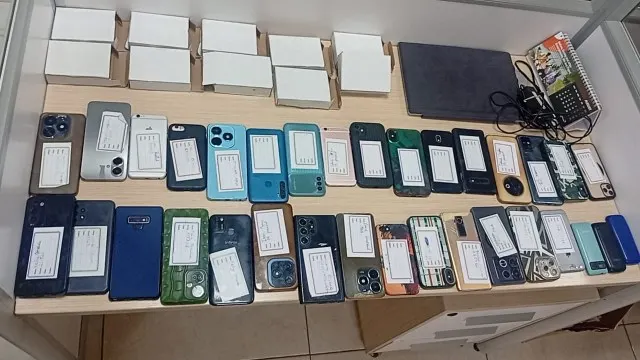
According to the Justice Department’s October 13 announcement, Ghanaian authorities arrested 19 people and seized 303 electronic devices in an operation near Accra. Nine more arrests were reported in Nigeria. Investigators also identified 117 trafficking victims in Ghana, a reminder that scam-centre operations can involve people held against their will as well as the victims losing money online.
Binance and Coinbase joined companies including Chainalysis, Elliptic, Meta, Google and Microsoft in sharing intelligence or disrupting the infrastructure used by scammers. That collaboration can help investigators connect social-media accounts, payments and wallet activity, but it should not be confused with proof that every suspect used cryptocurrency.
There is also an important distinction in the money figure. Officials said private-sector partners identified more than $11 million in funds that could potentially be frozen. They did not say that $11 million had been seized or returned to victims.
The real test now is how much of the identified money authorities can actually secure and how many disrupted operations stay offline.
Written by the News Desk and edited by Samuel Rae.